Reviews of Mathematical Model of Lithium Ion Battery
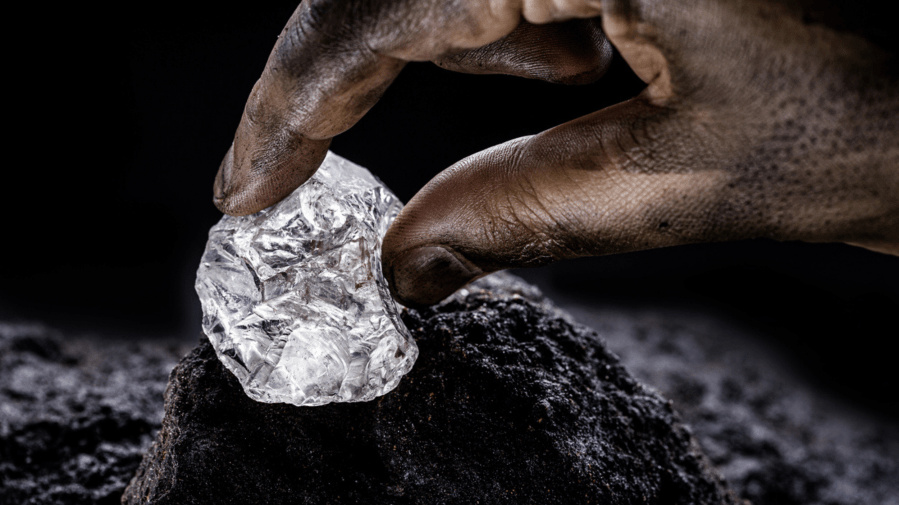
The green energy revolution is moving to center phase in the overall energy budget of the U.s. and the world equally a whole. Will this exist an easy and straightforward transition or will there be bottlenecks and hiccups – or worse – forth the mode? A expect at lithium, a primal component in modern batteries that are used in electric vehicles (EVs) and other mod devices, can shed some light on this question.
The Green Revolution in a Nutshell

The green revolution is a sweeping movement toward the use and expansion of renewable energy sources and processes into the national and global fabric. Energy resources that can be derived from solar, current of air, tidal, nuclear, bioenergy, and geothermal sources are foremost in the green revolution.
The move to green energy is coupled with a potent push to movement away from hydrocarbon fuels because of their effect on greenhouse-gas concentrations in the atmosphere and the deleterious effect that these emissions may have on the global environment.
Batteries: A Critical Component in Greenish Free energy
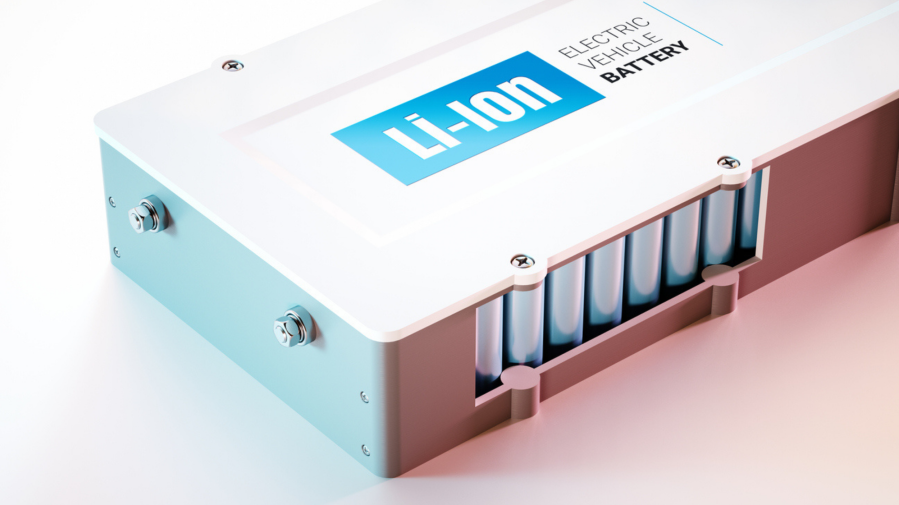
The modern lithium-ion battery is much better at storing and delivering electric energy than the old lead-acid battery. These lithium-ion batteries are critical components in electric-powered machines, especially EVs. As of 2020, the number of EVs in use beyond the globe was greater than ten 1000000 vehicles.
Growth in the EV market volition be responsible for more than 90% of the demand for lithium by 2030. The sheer number of new batteries needed in conjunction with the size of each of them will require quite a massive amount of lithium. Consider this: The lithium battery in your prison cell phone weighs less than an ounce. This is minuscule compared to the average bombardment in a Tesla vehicle which weighs well-nigh 900 lbs. pounds.
Natural Resource Needed for Batteries and the Light-green Revolution
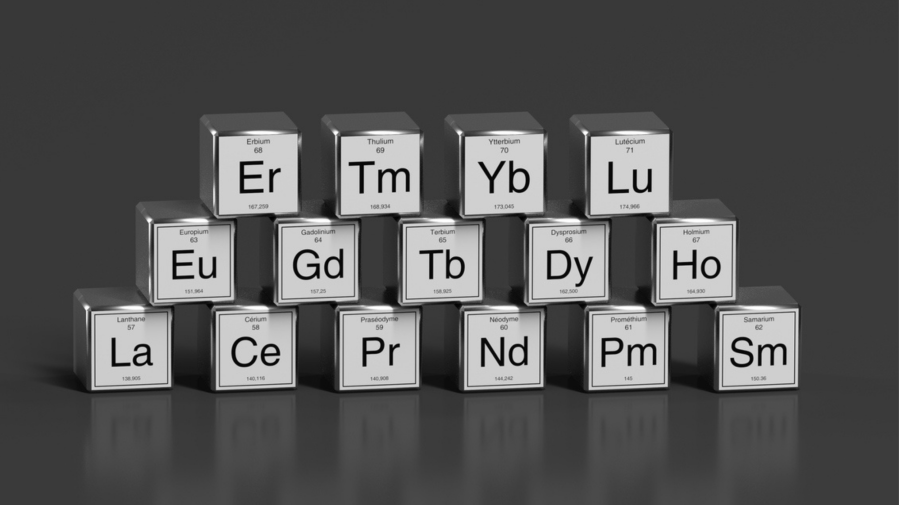
A surprising number of natural resource are needed in relatively large quantities in order to ensure that the green revolution moves forward in a meaning way. Some of the materials that are disquisitional for the green energy revolution include lithium, graphite, cobalt, copper, rare earth elements, and manganese.
Not all these resource are in abundant supply nor are they evenly distributed beyond the globe. Temporary or long-term shortages for some of these raw materials are clearly possible; for example, if new mines have to be opened, if the demand exceeds the supply, or if at that place are export pressures from producing countries.
Lithium: A Major Component of Modernistic Batteries
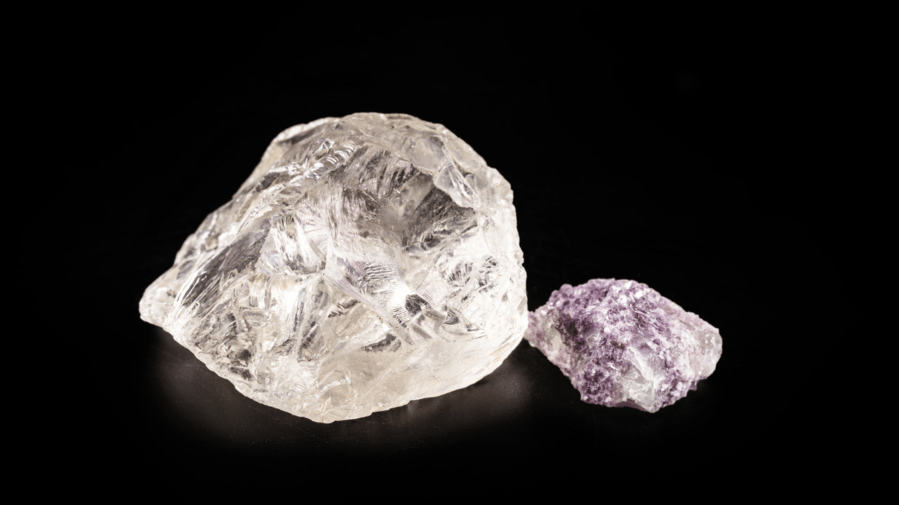
Lithium is the "white gilded" of the green revolution. Lithium is a key component in the electrochemical physics that makes these batteries piece of work. Lithium-ion batteries take the capability to shop large amounts of energy: They take uncommonly high energy densities (100-265 Wh/kg or 250-670 Wh/Fifty).
These batteries piece of work because they can shop energy and discharge information technology when needed. The movement of lithium ions creates free electrons in the battery anode, which creates an electrical accuse. The lithium ions are released from the anode to allow the stored electric energy to be used. When that happens your cell phone operates and your EV runs.
In addition to modern technological uses, lithium is used in other industries besides. It is an important resource for the drinking glass and ceramic industries.
Who Controls the Supply of Lithium
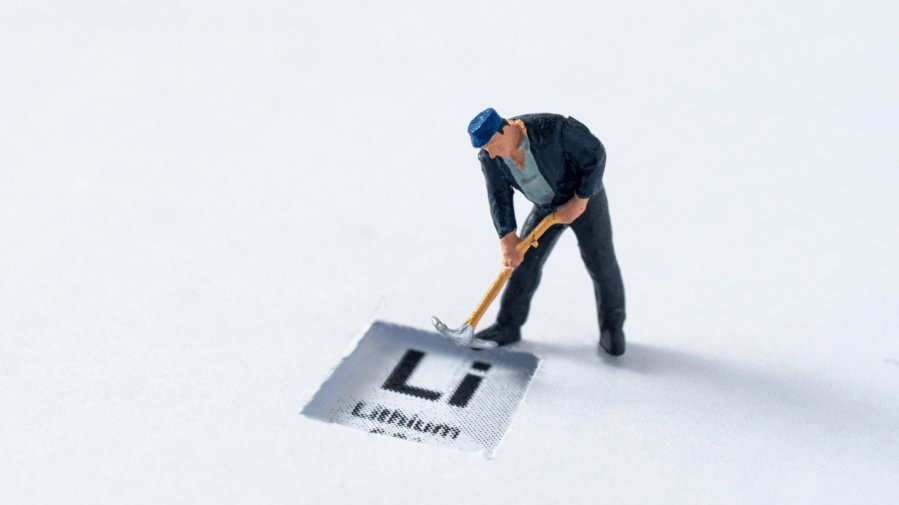
Even though the current leadership in the United States is adamantly pushing the greenish revolution, particularly in promoting the buy and use of electric vehicles, America is sorely lacking in an adequate supply of lithium. In fact, the United states of america has a lithium supply problem.
Lithium is distributed unevenly across the globe. Chile has the world's largest reserves, at 8 1000000 tons. Australia, Argentina, Bolivia, and Communist china have other major deposits.
In South America, lithium is mined from evaporative table salt deserts known as "salars". Elsewhere it is mined as ore from lithium-bearing minerals such as petalite, lepidolite, and spodumene.
Currently, People's republic of china controls over 50 percentage of the earth's lithium supply, even in foreign countries other than itself. In improver, it controls most of the earth'south supply of rare world elements, chemical cobalt, and spherical graphite, all of which are vital for dark-green energy technologies.
Environmental Concerns Associated with the Mining of Lithium
Although lithium is a fundamental component in the light-green revolution, the mining of this natural resources can cause astringent ecological problems. Lithium mining tin can cause water loss, ground destabilization, increased salinity in waterways, toxic waste, loss of biodiversity, and contaminated near-surface materials.
Fifty-fifty the New York Times reported that the production of lithium might non be and so "green" after all. For example, the environmentally friendly image of EVs and green energy runs counter to the environmental impacts associated with lithium mining in South America, where over 2 one thousand thousand liters of water are needed to produce 1 ton of lithium.
Source: https://www.askmoney.com/investing/why-is-lithium-imp?utm_content=params%3Ao%3D1465803%26ad%3DdirN%26qo%3DserpIndex
0 Response to "Reviews of Mathematical Model of Lithium Ion Battery"
Post a Comment